Historical patrician villa in Vejle undergoes extensive restoration
By Angela Steinfurth, Senior Specialist in the field of fungi, mold and insects.
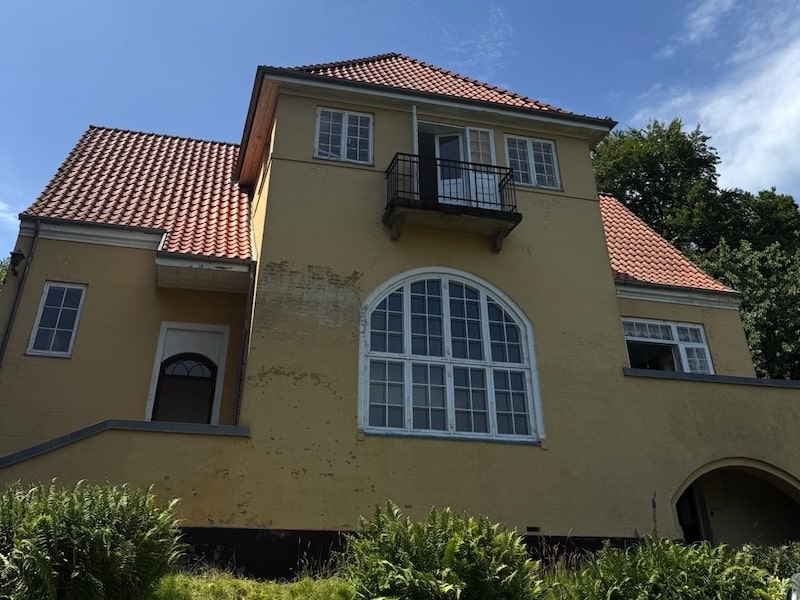
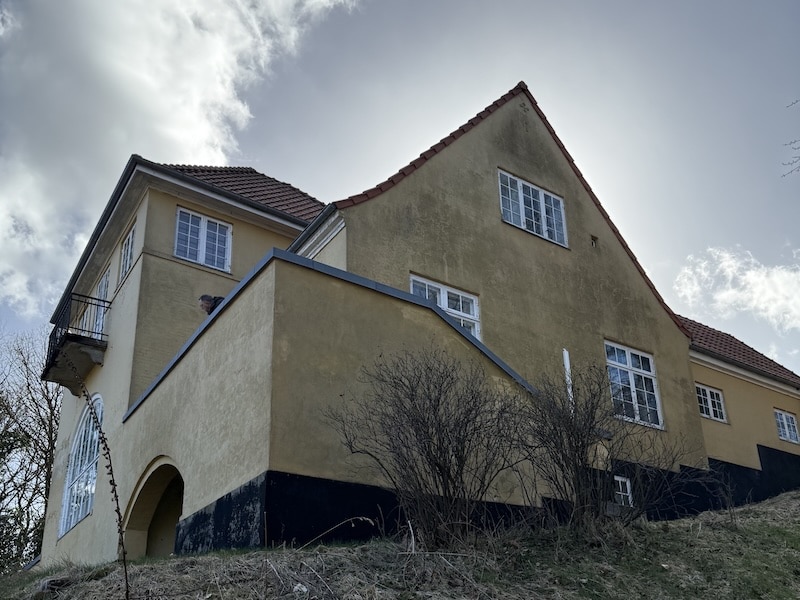
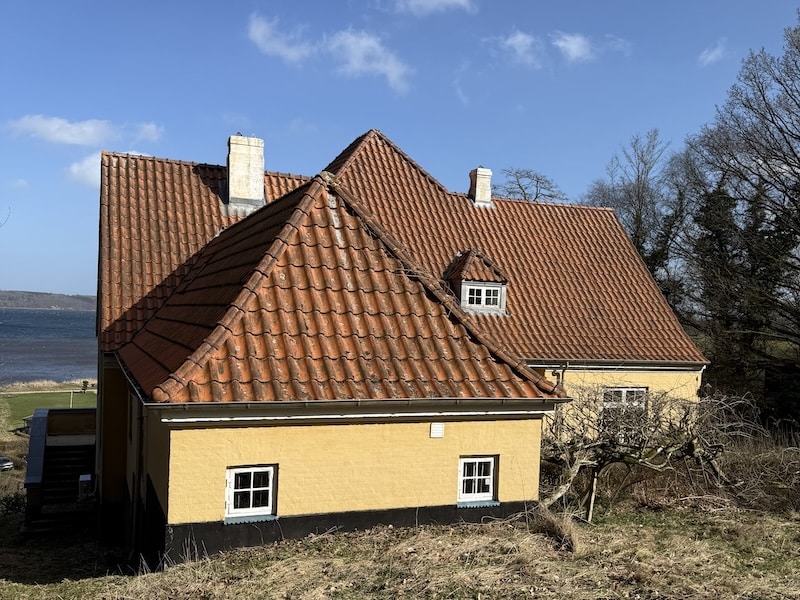
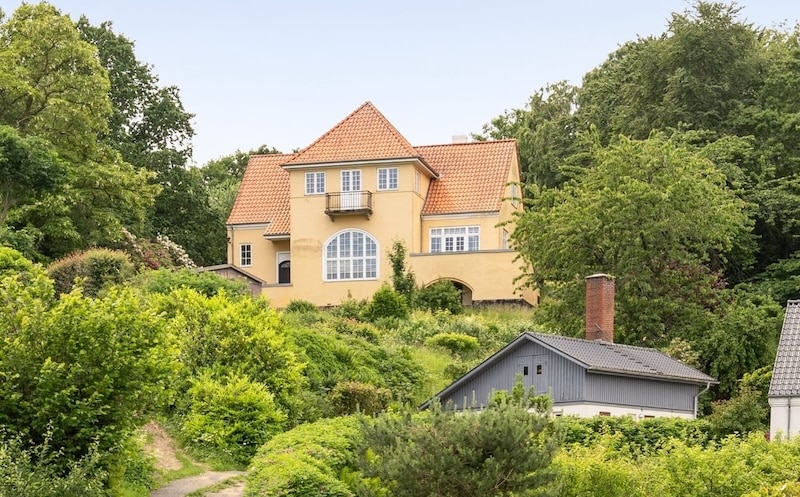
At Holtser Hage and Sellerup Strand, two scenic areas on the south side of Vejle Fjord, there is a historic patrician villa from 1913, known as ”Baronessehuset” or ”The Castle”. The villa was named after the noblewoman von Lerche from Rohden Gods on the opposite side of Vejle Fjord. The noblewoman used the villa as a summer residence and sailed across the fjord on a steamship to stay there.
The Baroness’s House has a special architectural and cultural historical value. Over the years, the villa has had various owners and was most recently associated with Broholm Castle on Funen. In connection with the plans for a bridge and tunnel connection over the Vejle Fjord, the expropriation process was accelerated, and the Vejdirektoratet took over the villa in 2020. However, the plans for a new fjord connection were abandoned in 2022, and the villa has since stood empty and unheated.
This meant that the historic villa gradually began to deteriorate, and that the need for extensive restoration grew over the years. In the summer of 2026, the villa acquired new owners, who immediately set to work on the extensive restoration project. The new owners intend to use the villa as a private residence and are enthusiastic about the many historical details, both large and small, that characterize the property.
The goal is to preserve historical structures
When renovating historic buildings, it is conscious that the most sustainable approach is often to preserve the existing structures and materials. However, it may be necessary to open the structures to assess their strength, load-bearing capacity and maintenance condition, as well as to investigate any infestations or risks of infestation by wood-decay fungi and wood-boring insects.
The art is to find the right balance between preserving the historical structures and using modern materials and solutions that respect the house’s soul while creating spaces that meet today’s needs.
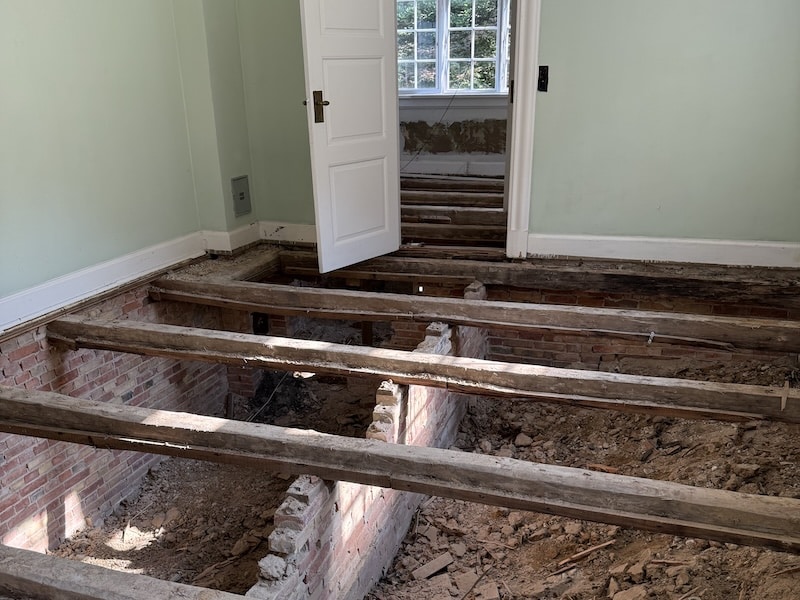
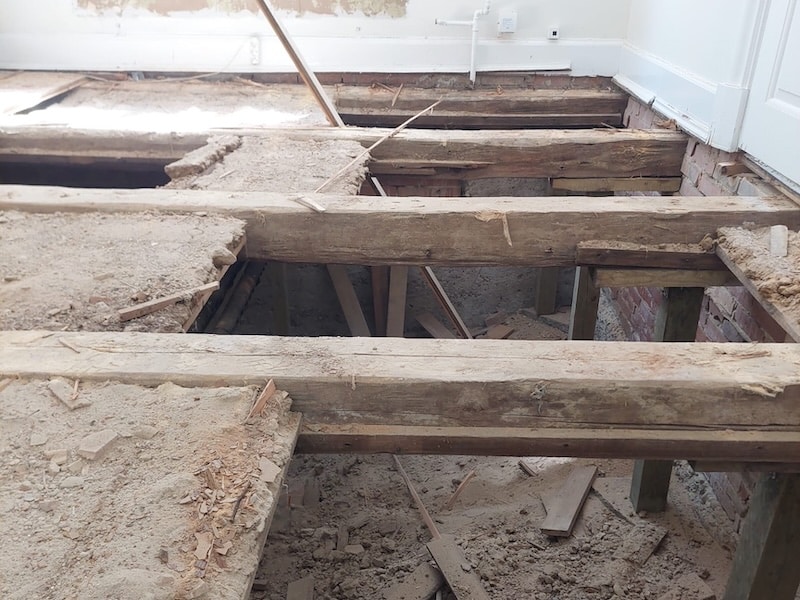
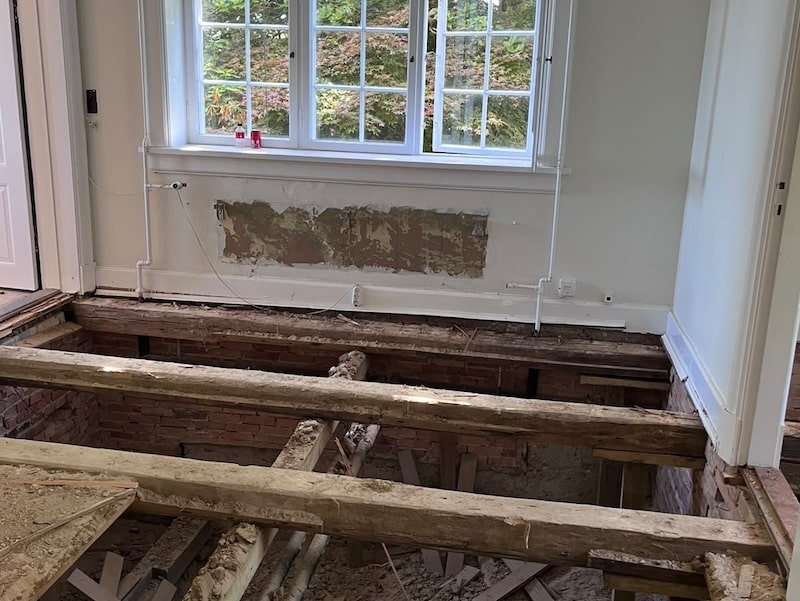
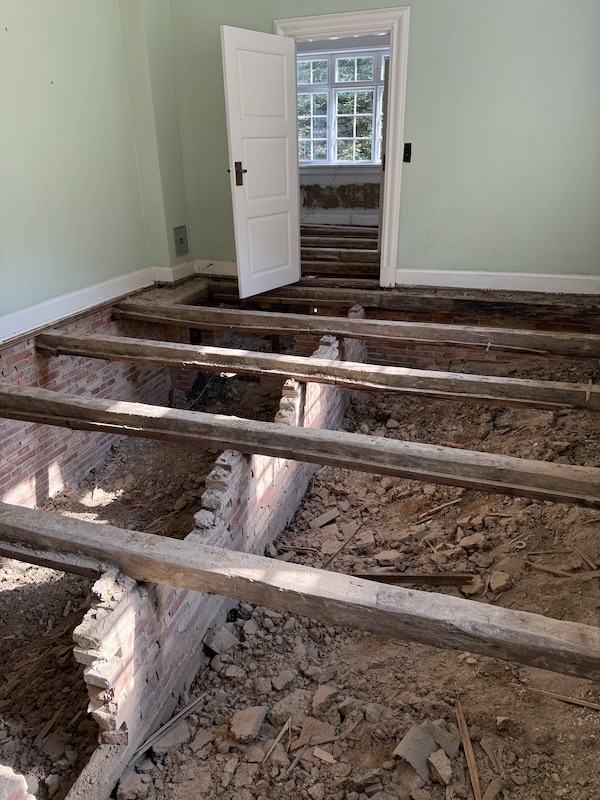
It is a large villa with plastered facades and a traditional floor plan consisting of wooden beams with built-in end beams and infill panels.
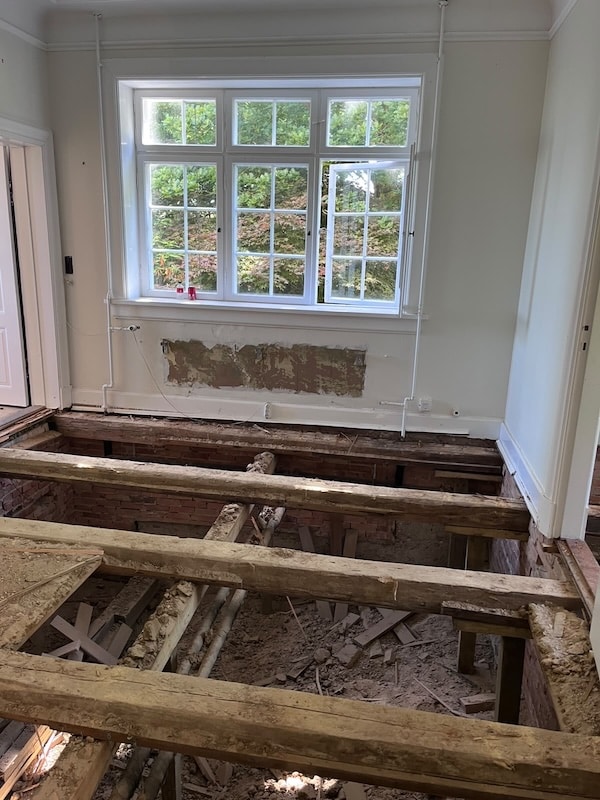
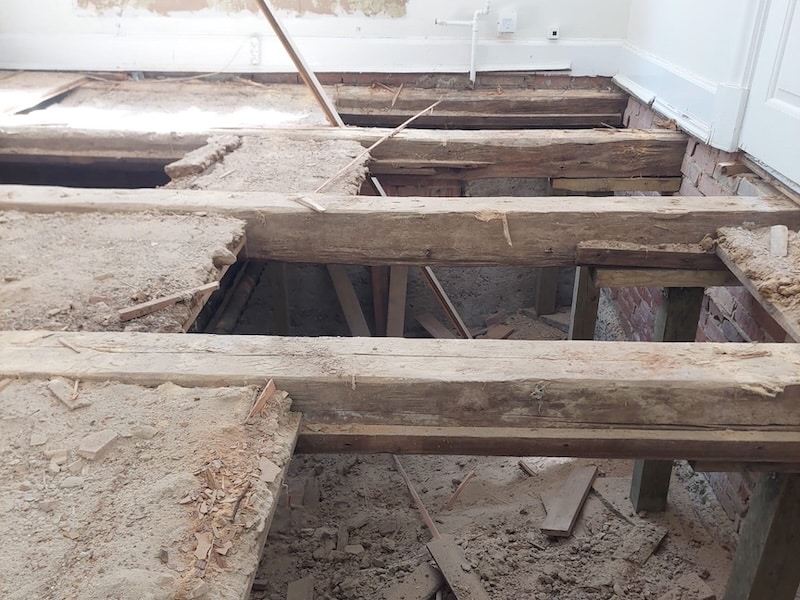
To assess the condition of the floor separation and the wall-mounted beam ends, it is necessary to open the floors and expose the structures so that they can be examined for any damage.
The villa requires extensive renovation, including energy improvements, modernization of the electrical installations, replacement and renovation of the plumbing systems, insulation, and the cladding of the exterior walls. When the structures are opened, unforeseen damage often occurs, requiring further investigations and repairs.
The studies have shown that the different types of biological damage are related to the underlying causes of the damage, including the various sources of moisture.
|
|
Council and fungal damage in the masonry end walls, where moisture enters from the outside through masonry that has been in contact with the ground. Here, damage mainly has been observed caused by white mold. |
|
|
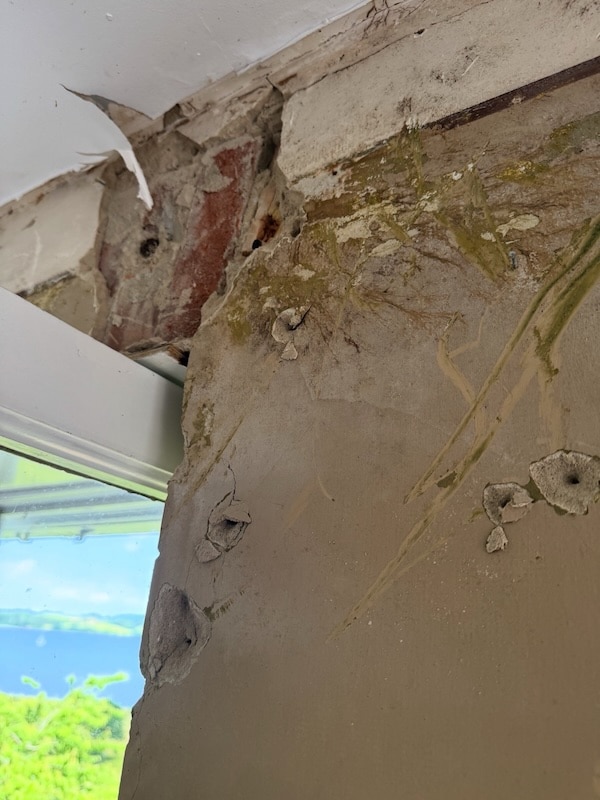
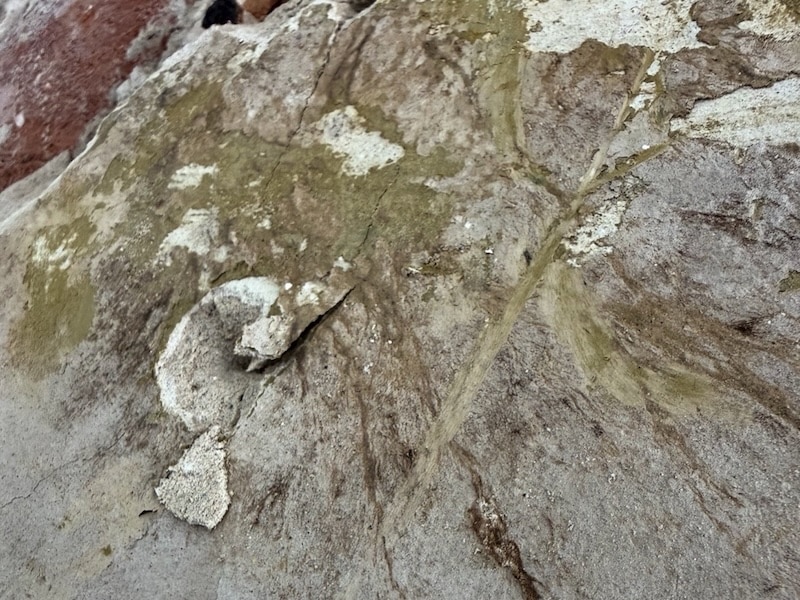
Growth of yellow mold on the exterior wall around the terrace door on the 1st floor. Moisture is penetrating here through gaps around the door, as well as through the balcony construction and cracks in the masonry. |
|
|
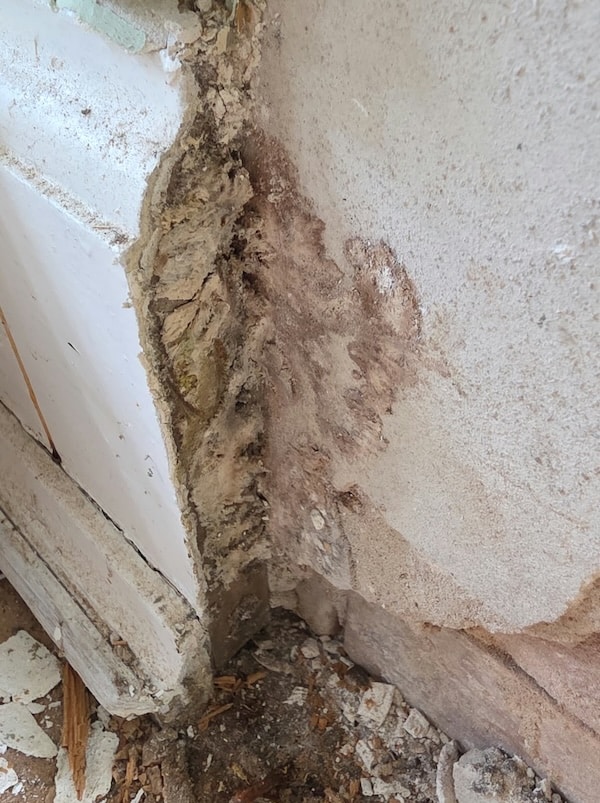
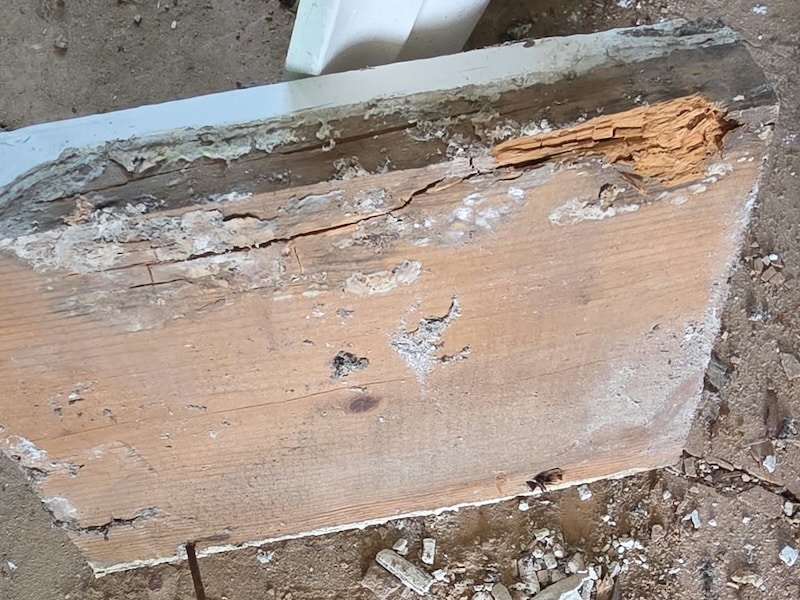
Fungal attack on the back of the foot panels and the underside of the floorboards in the middle of the house due to moisture entering around the chimney. |
|
|
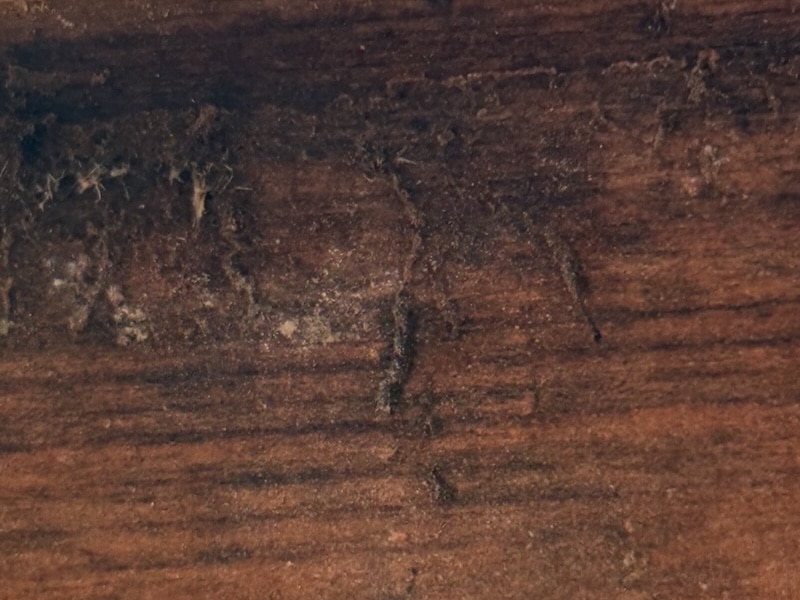
Attack of white mold in the joist under the bathroom as a result of prolonged moisture seepage. |
|
|
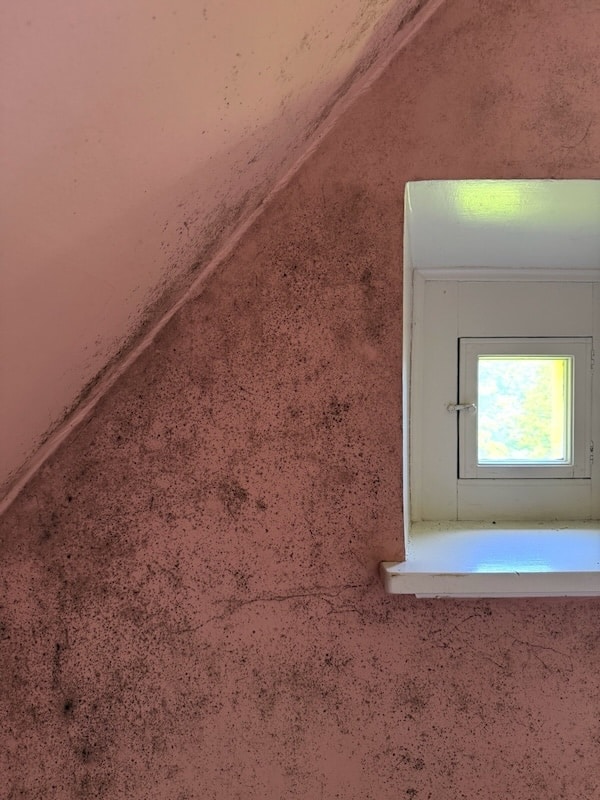
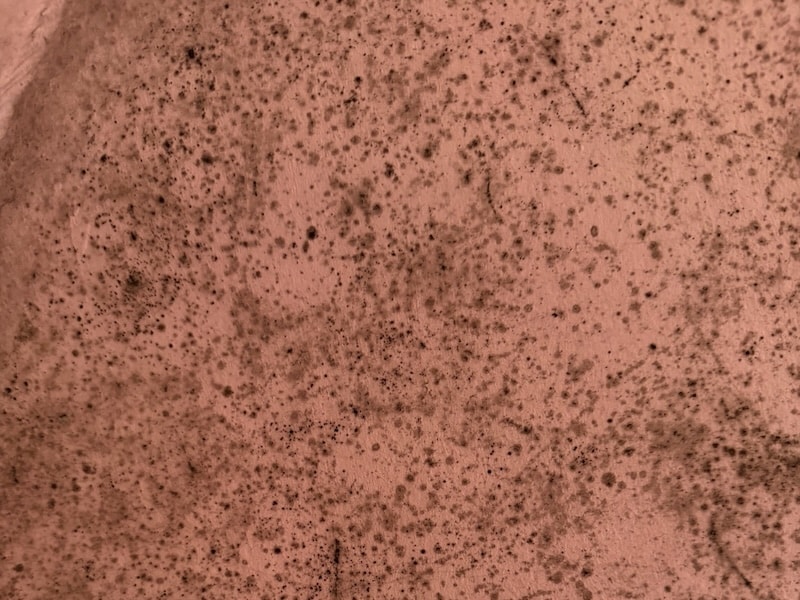
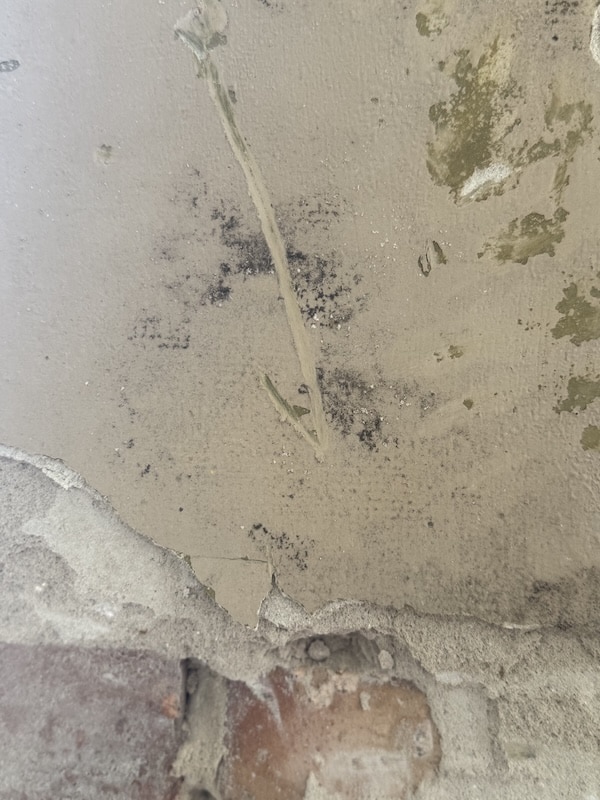
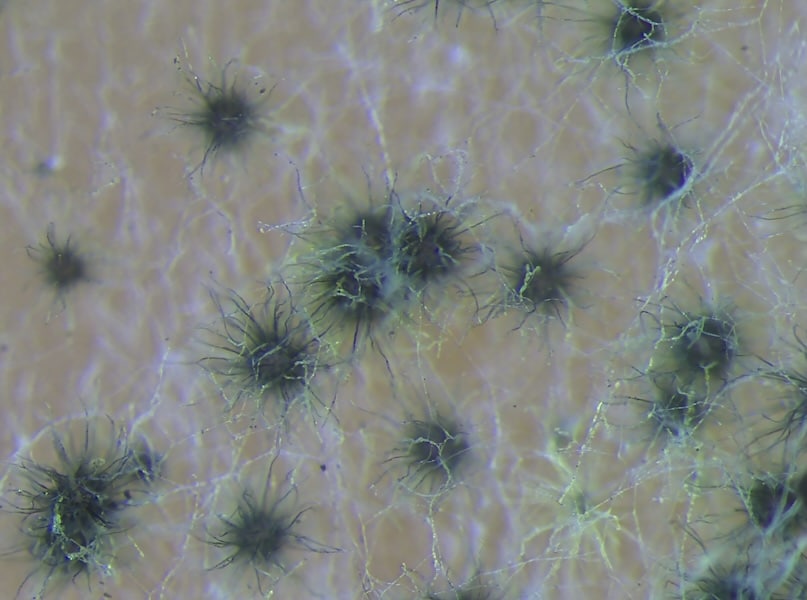
Different types of mold infestations, partly due to condensation formation on the exterior walls of the living room room, where the growth is dominated by Cladosporium spp. |
|
|
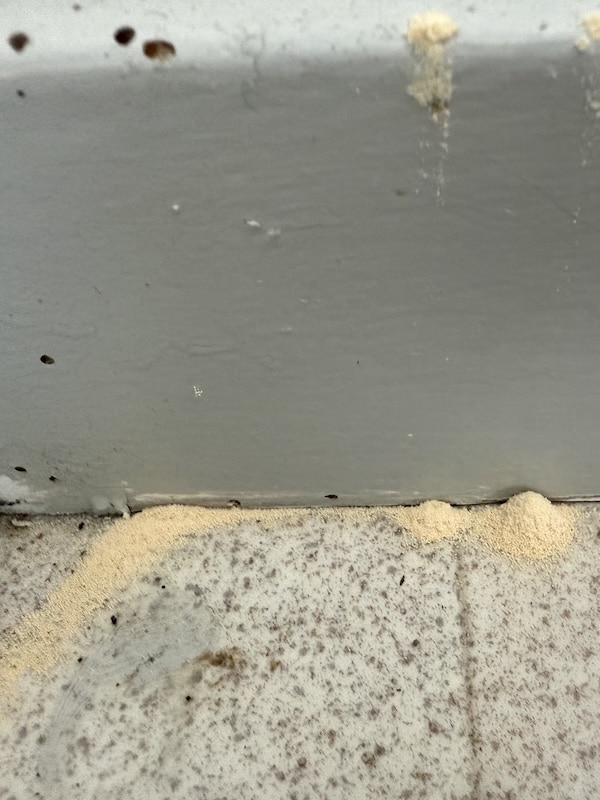
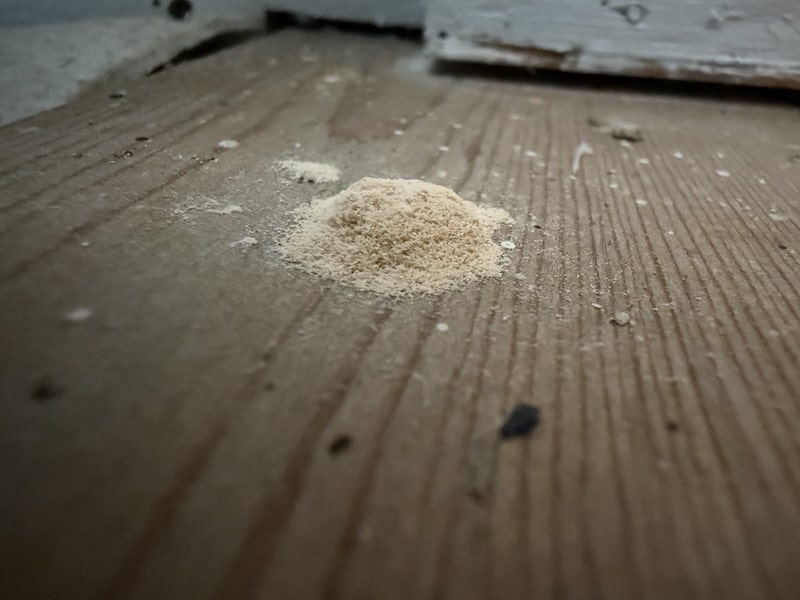
And partly as a result of mold growth in the attic space, where growth of moisture-related mold fungi such as Chaetomium and Stachybotrys has been observed. |
|
|
Active infestation of common housefly on the ceiling, which was detected during the autumn. |
Successful restoration of the historic villa requires thorough planning, coordination between the various trades, static calculations, and a meticulous mapping of the causes of the damage. Here, it is a great advantage that the new owners have a mushroom expert with many years of experience and a strong network within the industry close by.
From PROTOX: Many thanks to Angela Steinfurth, Senior Specialist in Building Damage Caused by Fungi, Mildew and Insects, and to her family for sharing the story and photos from the Baroness House.
We wish you continued success in restoring the historic patrician villa.