


Injection valves
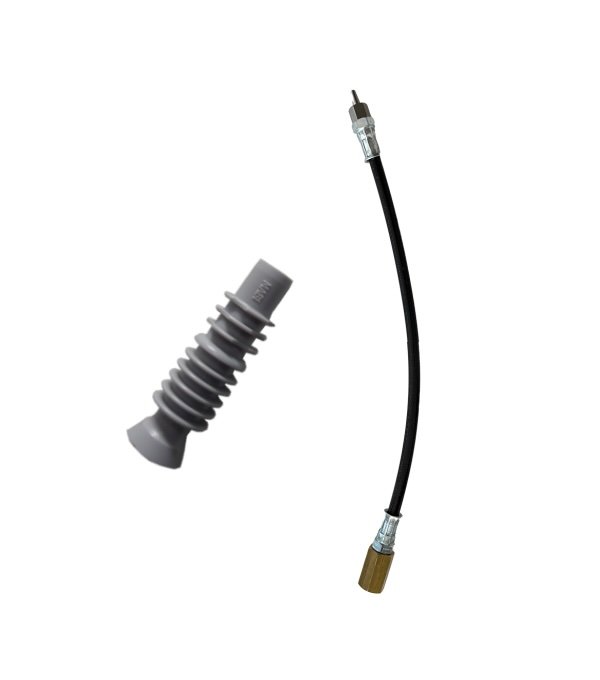
Injection valves are used for the deep impregnation of fungicides and insecticides into timber. Suitable for large, complex timber structures and surface-treated timber.

Product information - Injection valves
- Deep impregnation of wood preservatives and insecticides
- Ensures controlled and uniform distribution of the impregnating agent
- Functions as a non-return valve, preventing backflow of fluid
- Enable repeated treatments without new drilling
- Suitable for large complex constructions.
A brief overview of Injection valves
PROTOX impregnation valves are used for the efficient introduction of impregnating agents into timber. They allow timber to be treated from the inside out, which is particularly important for combating and preventing fungal and insect attack. The solution is especially well-suited for large complex timber structures, surface-treated timber, and where ordinary surface treatment is not sufficiently effective.
Application of Injection valves
- Drill holes in the wood with the same diameter as the valve
- Drill with a distance of approx. 10–15 cm and to approx. 12 mm from the opposite side
- Insert the valve into the hole and knock it in with a hammer
- Connect the spray/pump and inject the impregnating agent (5–10 bar)
- Repeat the treatment after 12–24 hours for optimal effect
OBS!
- The valves should remain in the wood for later finishing.
- Ensure correct pressure (5–10 bar) for optimal distribution
- Always follow the instructions for the waterproofing agent used
Related products
- KOMBI PROTECT: Wood preservative (PT8)
- INSECT: Wood preservative for indoor use
- INSEKT KONC.: Wood preservative against wood-boring insects


See the entire PROTOX® product range
Find product information, labels and safety data sheets